TPO Roofing in
north alabama
Tagline
Thermoplastic polyolefin (TPO)
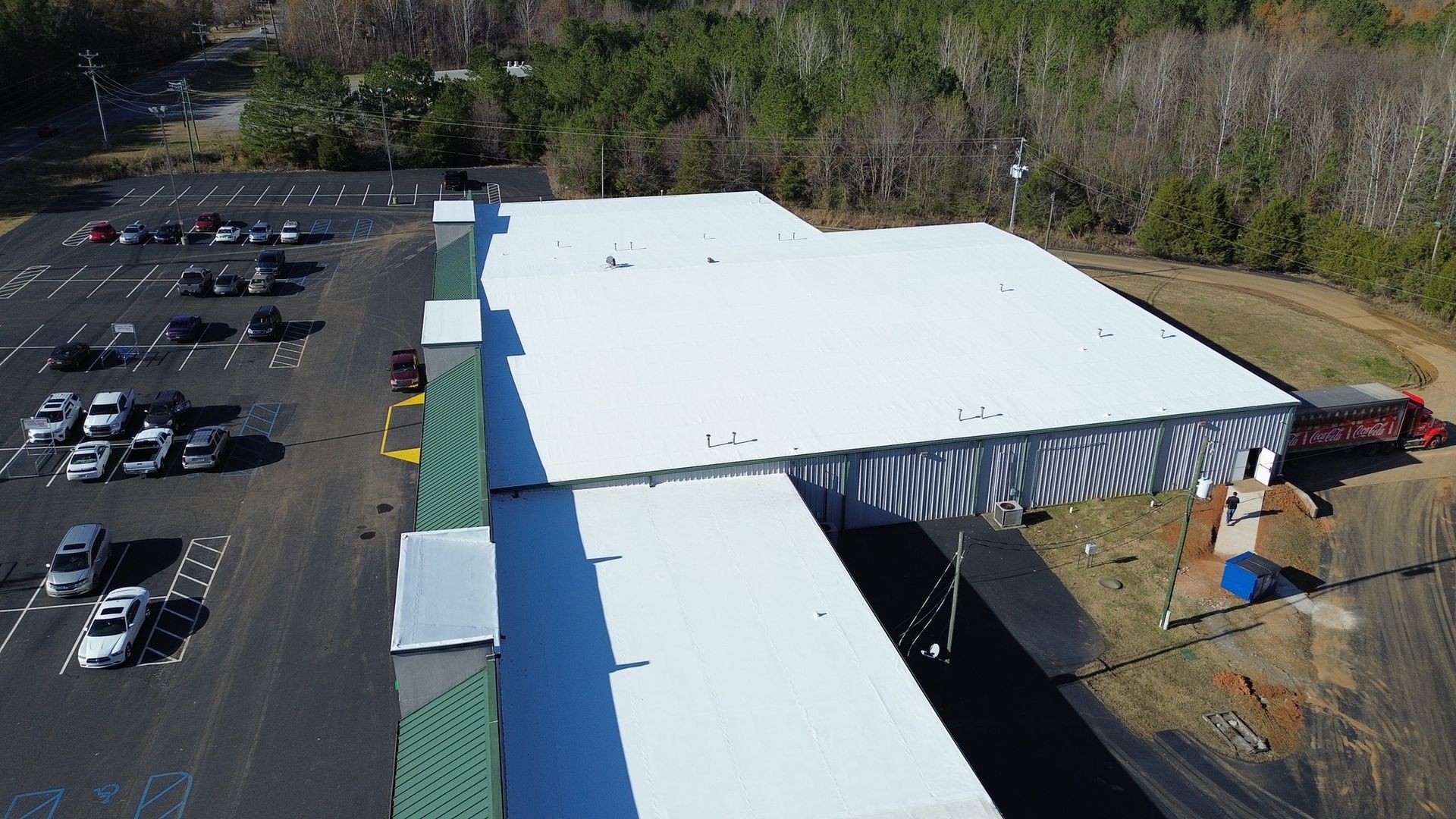
When you choose a TPO system, you're choosing long-term performance. When you choose Pioneer Roofing, you're choosing experience, craftsmanship, and a team that stands behind every square foot we install. Another Project: Shinetime Car Wash located in Decatur, AL.
Tagline
Perfect TPO ROOF
At Pioneer Roofing, we don't just install TPO Roofing Systems- we install them like we're protecting our own building. We are proud of this Project "McGhee Townhomes" a property located in Decatur, AL.
Installation Overview
Our certified commercial roofing team will deliver a tailored solution based on your building's structure and climate needs:
- Roof evaluation & Preparation
- Insulation and substrate installation
- TPO membrane placement
- Heat-welded seam sealing
- Flashing & termination installation
- Final inspection & quality testing
Proper installation is critical to long-term performance-that's why we employ trained professionals with experience in commercial TPO systems.
why choose TPO for your commercial roof?
Energy Efficiency
TPO's bright white, reflective surface
dramatically reduces heat absorption, lowing cooling loads and utility costs-
a major advantage in warm climates.
Durable & Weather-Resistant
This roof system resists:
- UV radiation
- Chemical exposure
- Ozone and pollutants
- Tears and punctures
Cost-Effective
TPO Is usually more affordable than other single-ply membranes. Large sheet sized mean:
- Faster installation
- Fewer seams (decreasing potential leak points)
- Reduced labor costs
Eco-Friendly
TPO contains no chlorine or harmful chemicals and can be recycled at end-of-life helping your project qualify for LEED credits and meet sustainability goals.
Thermoplastic Polyolefin (TPO) Roof System
Everguard TPO 60MIL membrane is suitable for all types of single-ply systems. Mechanically attached applications for a quick and cost-effective system that can be installed practically year-round.
- Rhinobond Application—Can Be Applied Without Using Adhesives and Installed Practically Year-Round Qualifies for the Same Guaranteed Length as an Adhered System.
- Adhered Application—Can Be Installed With Everguard 1121 Bonding Adhesive (Solvent-Based) Everguard Low VOC Adhesive, or Everguard WB181 Bonding Adhesive (Water-Based) for the Smoothest Appearance
TPO Roofing: Everything You Need to Know
If you’ve seen a bright white roof, then you may be familiar with TPO roofing. As one of the most common roof types of big commercial facilities, TPO has some of the best energy savings for single-ply membrane roofing! Here at Pioneer Roofing, we’ve been installing single-ply membrane roofing for over 40 years. In this article, we cover everything you need to know about TPO roofing.
Single-ply membranes are sheets of rubber and other synthetics that can be ballasted, mechanically fastened, or chemically adhered to insulation, creating a layer of protection on your commercial facility. While single-ply membrane roofing is one of the most well-known types of commercial roofing material, there are several types to fit your budget and facility needs. There are two main types of single-ply membrane commercial roofing: Thermoplastic Polyolefin (TPO) and Ethylene Propylene Diene Terpolymer (EPDM). They differ in their chemical makeup, how they are installed, and their energy efficiencies.
Additional TPO Information
Thermoplastic Polyolefin is a single-ply roofing membrane that is one of the fastest-growing commercial roofing systems on the market. TPO roofing systems are made up of a single layer of synthetics and reinforcing scrim that can be used to cover flat roofs. TPO membranes are manufactured in sheets that are 10, 12, or 20 feet wide. These sheets are then rolled up and taken to the commercial facility. TPO has gained industry acceptance with its natural reflective surface to reflect UV rays. As reported by the National Roofing Contractors Association (NRCA), TPO takes up about 40% of the commercial roofing market share.
Types of Single-Ply Roofing
Single-Ply Is Wide-Width Sheeting Meant for Low Slope Roofs.
Single-ply roofs have far fewer seams than asphaltic rolled roof systems and don’t require dangerous torches or hot asphalt for installation. They also come with prefabricated detailing accessories that make installation easy.
TPO
The most popular product in commercial roofing, thermoplastic polyolefin (TPO), is the most economical choice in heat-weldable membranes. TPO offers ease of welding for seaming and detailing. It’s highly reflective and can help reduce air conditioning costs.
PVC
What is PVC roofing? Made from polyvinyl chloride (or in layman’s terms, plastic), PVC is a great single-ply roofing solution. It’s made from a lower percentage of oil and petroleum than thermoplastic polyolefin (TPO) or ethylene propylene diene terpolymer (EPDM). As a cool roof membrane, it carries both Energy Star and Cool Roof ratings.
Flat/Low-Slope Roofing
Typically less expensive to install than sloped roofs, flat roofs require a lot of maintenance. Roof coating will extend the life of flat roofing and slow down its degeneration. Low-slope roofing will last up to 15 years.
The five most common low-slope or flat roofing systems are
- Built-up Roof (BUR) Membranes
- Polymer-Modified Bitumen Sheet Membranes
- Thermoplastic Membranes (e.g., PVC, TPO)
- EPDM
Most low-slope roof membranes have three principal components: weatherproofing layer or layers, reinforcement, and surfacing.






